

Subsection (a) Notwithstanding the provisions of section 106(3), the owner of a particular copy or phono[1]record lawfully made under this title, or any person authorized by such owner, is entitled, without the authority of the copyright owner, to sell or otherwise dispose of the possession of that copy or phonorecord.
DLSG’s Revolutionary HotLinks 2D Full-text
SearchMATCH Discovery
produces relevancy-based results, is deterministic (no hallucinations), is user-controllable,
lets users draw their own conclusions (unlike artificial intelligence),
includes 290,490,667
pages of open access content, and perhaps most important, HotLinks is a
centerpiece of …
An Optimal Copyright Law
Exceptions and Limitations Strategy
Big publishers and the new owners of Overdrive have the best of both worlds - they have monopolistic control over prices and can claim they are not monopolies because copyright law limitations give libraries alternatives, and most libraries have made insignificant use of these legal alternatives, compelling the legal system [and most people] to conclude that libraries are becoming less and less relevant. Journal publishers even control the most valuable content for artificial intelligence, but their control has exceptions and limitations in libraries, as specified by copyright law (Title 17, Sections 107, 108 and 109).
However, libraries can choose to fully embrace library technologies that give patrons better alternatives to what is readily available on the Web, technologies that maximally utilize copyright law limitations. A suite of these technologies now exists, thanks to nine years and over 300,000 engineering professional hours DLSG has invested to create its Digital Stacks Ecosystem (DSE). Even AI has an important place in the DSE, especially while patrons are in the library.
Journal Publishing Monopolies are Squeezing Budgets … DLSG has a
Strategy
Ingest your print journals into Concentrated Collections Areas and offer … so that students and researchers can utilize the iDREAM technologies to enhance study and research.
Input many pages of content (e.g., textbook chapters, research notes, journal articles)
Discover relevant textbook, monograph and/or journal articles from 100+ million pages of open access content and rapidly growing, and copyright controlled content
Retrieve the open access content anywhere, and when in the library, copyrighted content from library-owned items
Extract phrases, sentences and paragraphs from hundreds of items, including source info, simply by highlighting
Annotate highlighted content with meaningful notes
Master the content by effortlessly and instantly navigating between highlights in hundreds of items
Students can, with the touch of a button, instantly create a KIC scan list for content from many copyrighted print items and visit the concentrated collections areas (CCAs) that contain the scan list items and digitize excerpts (in compliance with ©-Law Section 108(f))
Researchers can, with the touch of a button, instantly make ILL requests for selected journal articles and for excerpts from monographs.
Eventually, you will be able to demand more print journals from publishers and/or get agreements from publishers to allow their journal articles to be viewed digitally while in the library and/or allow article PDFs to be downloaded.
Overdrive’s newest owner is inflating prices … DLSG has a Strategy
In 2019, Overdrive was purchased from Rakuten by KKR, the inventors of leveraged buyouts. It is highly unlikely that a leveraged buyout firm such as KKR would purchase a business such as Overdrive unless Overdrive could impose monopoly pricing, and book publishers certainly have monopolies on the books they publish, for all books are unique.
In 2020, Project ReShare was begun, to address distance learning needs and perhaps also as an alternative to rising Overdrive prices. For without some form of controlled digital lending, libraries are unable to lend the print books they purchased over the decades, and are stuck having to pay the rising Overdrive prices. When Internet Archive lost the controlled digital lending (CDL) lawsuit, basic CDL was outlawed.
Libraries everywhere have tremendous investments in print collections. Yet they can’t offer their patrons controlled digital lending of the print items that they paid for and own. However, the copyright law limitation specified in Title 17 section 109(c) allow libraries to display all of their library’s content provided that for each page displayed, there is one owned copy of that page and that owned copy is in the same place as the image being displayed.
DLSG’s Digital Fence strictly applies the copyright law limitation specified in Title 17 section 109(c), allowing patrons to use their own computers, tablets and phones as well as patron-use PCs to read any content that is in the library while the patron is in the library.
Print Collections are Grossly Underutilized … DLSG has a Strategy
Libraries everywhere have tremendous investments in print collections. Yet they can’t offer their patrons controlled digital lending of the print items that they purchased over many decades and own. Instead, they are forced to use Overdrive and pay again and again.
However, the copyright law limitation specified in Title 17 section 109(c) allow libraries to display all of their library’s content provided that, for each page displayed, there is one owned copy of that page and that owned copy is in the same place as the image being displayed. DLSG’s Digital Fence strictly applies this copyright law limitation, and allows patrons to use their own computers, tablets and phones as well as patron-use PCs to read the content of any item in the library that has been registered with the system and for which access is controlled.
For Universities, DLSG’s HotLinks 2D Full-text SearchMATCH Discovery allows patrons to enter many pages of content which HotLinks uses to match with tens of millions of items.
Students can input one or several textbook chapters and get instant access to the most relevant content in your library as well as the most relevant content from 16,000 Open Access digital books. These alternate treatments of study material can effectively replace study groups, which is especially valuable when needs may arise at midnight before a test.
Researchers can input their own research along with multiple journal articles and get instant access to the most relevant content from tens of millions of Open Access journal articles, and while in the library, get instant access to your library’s most relevant print journals content. Unlike other discovery systems, moving from relevant article to relevant article is virtually instantaneous.
Research is especially well-facilitated by DLSG’s Personal Digital Mind Palace. When a researchers find something especially applicable to their research, they can highlight their most salient phrase, sentence or paragraph and the Digital Mind Palace will extract the text and the source information and place it with others in a potentially long list for later review and instant navigation back to the source document, and for export using its built-in automatic citations feature.
Self-serve and ILL digitization are Grossly Underutilized … DLSG has a
Strategy
Digital journal subscriptions allow the subscribing university’s researchers to download articles and keep them forever. For the convenience of not having to digitize printed articles, universities pay huge subscription fees year after year, fees that can exceed several dollars per page downloaded. In stark contrast, a 15 page print journal article can be digitized in a minute on one of DLSG’s high-speed KIC self-serve digitization kiosks and also kept by the researcher forever. Concentrated Collections Areas make quick work of finding the content and taking a few steps to the CCA’s dedicated KIC digitization kiosk.
It seems only reasonable that self-serve and ILL digitization should each represent 10% of all digital content received by academic library patrons – university budget committees don’t care where the content comes from as long as it satisfies their students, faculty and researchers. Getting funds to cover the relatively small costs of the equipment is a small problem when compared with the problem of how the library can get its students, faculty and researchers to make more use of self-serve digitization kiosks and digital ILL.
DLSG’s solution to this problem is HotLinks 2D SearchMATCH Discovery with Personal Digital Mind Palace and Digital Fence. These tools are highly effective at finding relevant content for ILL and self-serve digitization and will surely increase use of these most cost-effective means of getting content to patrons. Together, these technologies provide the following benefits to your patrons.
- 2D Full-text SearchMATCH, which can take 100 pages of input such as a chapter of a textbook along with some course materials, or a researcher’s own work and some journal articles
- SearchMATCH tens of millions of Open Access journal articles AND all your libraries digitized copyright-controlled content AND eventually, much (or all) of your university’s subscriptions content
- Full-text access while in the library, in compliance with Title 17 Section 109(c)
- When items of particular interest are found, key phrases, sentences or paragraphs can be highlighted, and the text added to a highlights list along with its source information (citation metadata).
- For patrons with the authority to make ILL requests, making a request is just a button-press away
- For all patrons, when a journal article or book chapter is found that is copyright controlled and the user wishes to view that content when they leave the library, getting the content is just a button-press away
AI is Coming … DLSG has a Strategy
Students, faculty and researchers must control the AI system rather than the other way around.
In the coming decades, AI will likely amaze and confound many times. With the fastest AI advancements driven by commercial objectives and of course, nefarious objectives as well, facilitating study, instruction and research are not likely to get the attention they deserve. Having developed multiple systems over the decades that amalgamate human and machine for optimal results, including their latest amalgamation, HotLinks with Mind Palace, DLSG’s design team is ready, willing and able to integrate the latest AI systems into HotLinks with Mind Palace in ways that allow the user to retain ultimate control over the process, whether it be a learning process, an instruction process or a research process.
To this end, we are actively investing in a highly innovative approach for attracting and retaining the best software engineering talent in the world for this AI integration, that is, top engineers that are not completely sold on working for the most famous software engineer employers: Microsoft, Apple, Google, Amazon, SpaceX, xAI, et al. DLSG will assemble hundreds of top software engineers for this long-term project using funds from the adoption of its revolutionary new study and research products: MyDocs with KIC Study System, Digital Fence and HotLinks with Mind Palace.
Only Physical Libraries can Provide Free Access to
Copyright-controlled
Content
Free access to newfound scholarly knowledge is essential for civilization - after making possible the end of thousands of years of [various forms of] feudalism and slavery, scientific advancements and innovation continued to improve quality of life for everyone fast enough to keep everyone working together to keep quality of life improving … until recently.
In order to ensure that newfound knowledge continues to be created fast enough to support ample scientific advancement and innovation, authors must be reasonably well compensated, and publishers must make profits to support authors and to ensure that the quality of the created knowledge is high.
However, free access to copyrighted scholarly and research content for those that can't afford to buy it at today's high prices is also essential for the future of civilization – a substantial portion of scientific advancements are made by non-rich people. In fact, most innovations are made by people that are willing to take chances and are more interested in innovating than accumulating wealth or power ... people that don’t have a lot to lose.
But if libraries were to make all their copyrighted content instantly free to access digitally, anywhere at any time, there would be no reason for anyone to purchase content except libraries. This is why basic controlled digital lending (CDL) is illegal. CDL would probably be legal for types of copyrighted content that only libraries typically purchase. For other types of content, free access must somehow be regulated, or it must include non-financial costs.
Fortunately, getting copyrighted content from libraries has built-in non-financial costs – patrons normally must visit the library physically to read or borrow books. Patrons can access copyrighted content digitally when they are at the library, provided printed copies of the content are also at the library, in compliance with copyright law Title 17 Section 109(c), or:
- patrons take the time to physically copy or digitize the content themselves, and they copy or digitize no more than about 10% of a book or a single article from a journal; or
- library staff digitizes for them no more than about 10% of a book or a single article from a journal. Note that it is also illegal for library staff to avoid digitizing every request (e.g., by holding digitized content for future requests).
Insufficient free access to scholarly knowledge is a crisis that must be resolved. The virtuous cycle of research and innovation is no longer producing improvements in quality of life fast enough to compel people to work together and not fight each other as if the others are somehow responsible for the problems they are experiencing. One significant reason for the slowing of advancements in quality of life is the substantial drop in accessibility of research and scholarly content due to rising costs of research articles and declining monograph publishing. It is likely that the big five journal publishers believe that maximizing profits is ‘the righteous way of the world’, and they seem to be unstoppable.
Rather than help libraries try to fight the rising prices [possibly in vain], DLSG recognizes that the value of the content can easily support higher prices and bigger library budgets, provided the content is enhanced with technologies that substantially facilitate research, innovation and study. This is why DLSG invested over 300,000 engineering professional hours to develop 'game-changing' technologies that improve research and study so substantially that they increase the value of research, monograph, and textbook content enough to compel universities to increase academic library funding and governments to increase public library funding significantly.
THE US CONSTITUTION GRANTS CONGRESS THE ENUMERATED POWER TO CREATE COPYRIGHT LAW, PROVIDED IT PROMOTES THE PROGRESS OF SCIENCE AND USEFUL ARTS
Article I, Section 8, Clause 8 of the United States Constitution grants Congress the enumerated
power "to promote the progress of science and useful arts" by
securing
for limited times to
authors and inventors the exclusive right to their respective writings and discoveries.
In other words, copyrighted works are protected by copyright law provided those protections promote the progress of science and useful arts. The following are
exceptions and limitations that were incorporated into copyright law to ensure compliance with the constitutional law that allows copyright laws to exist.
Title 17 § 109. Limitations on exclusive rights: Effect of transfer of
particular copy or phonorecord
Title 17 § 107 - Limitations on exclusive rights: Fair Use
Notwithstanding the provisions of sections 106 and 106A, the fair use of a copyrighted work, including such use by reproduction in copies or phonorecords or by any other means specified by that section, for purposes such as criticism, comment, news reporting, teaching (including multiple copies for classroom use), scholarship, or research, is not an infringement of copyright. In determining whether the use made of a work in any particular case is a fair use the factors to be considered shall include-
the purpose and character of the use, including whether such use is of a commercial nature or is for nonprofit educational purposes;
the nature of the copyrighted work;
the amount and substantiality of the portion used in relation to the copyrighted work as a whole; and
the effect of the use upon the potential market for or value of the copyrighted work.
Title 17 § 108 - Limitations on exclusive rights: Reproduction by
libraries and
archives Subsection (d)
Subsection (d) The rights of reproduction and distribution under this section apply to a copy, made from the collection of a library or archives where the user makes his or her request or from that of another library or archives, of no more than one article or other contribution to a copyrighted collection or periodical issue, or to a copy or phonorecord of a small part of any other copyrighted work, if -
the copy or phonorecord becomes the property of the user, and the library or archives has had no notice that the copy or phonorecord would be used for any purpose other than private study, scholarship, or research; and
the library or archives displays prominently, at the place where orders are accepted, and includes on its order form, a warning of copyright in accordance with requirements that the Register of Copyrights shall prescribe by regulation.
Title 17 § 108 - Limitations on exclusive rights: Reproduction by
libraries and
archives Subsection (f)
Subsection (f) Nothing in this section-
shall be construed to impose liability for copyright infringement upon a library or archives or its employees for the unsupervised use of reproducing equipment located on its premises: Provided, That such equipment displays a notice that the making of a copy may be subject to the copyright law;
excuses a person who uses such reproducing equipment or who requests a copy or phonorecord under subsection (d) from liability for copyright infringement for any such act, or for any later use of such copy or phonorecord, if it exceeds fair use as provided by section 107;
shall be construed to limit the reproduction and distribution by lending of a limited number of copies and excerpts by a library or archives of an audiovisual news program, subject to clauses (1), (2), and (3) of subsection (a); or
in any way affects the right of fair use as provided by section 107, or any contractual obligations assumed at any time by the library or archives when it obtained a copy or phonorecord of a work in its collections.
Title 17 § 109 - Limitations on exclusive rights: Effect of transfer of
particular copy or phonorecord
Subsection (c)
Subsection (c)Notwithstanding the provisions of section 106(5), the owner of a particular copy lawfully made under this title, or any person authorized by such owner, is entitled, without the authority of the copyright owner, to display that copy publicly, either directly or by the projection of no more than one image at a time, to viewers present at the place where the copy is located.
Title 17 § 108 - Limitations on exclusive rights: Reproduction by
libraries and
archives
Subsection (h)
Subsection (h) (1) For purposes of this section, during the last 20 years of any term of copyright of a published work, a library or archives, including a nonprofit educational institution that functions as such, may reproduce, distribute, display, or perform in facsimile or digital form a copy or phonorecord of such work, or portions thereof, for purposes of preservation, scholarship, or research, if such library or archives has first determined, on the basis of a reasonable investigation, that none of the conditions set forth in subparagraphs (A), (B), and (C) of paragraph (2) apply.
(2) No reproduction, distribution, display, or performance is authorized under this subsection if-
the work is subject to normal commercial exploitation;
a copy or phonorecord of the work can be obtained at a reasonable price; or
the copyright owner or its agent provides notice pursuant to regulations promulgated by the Register of Copyrights that either of the conditions set forth in subparagraphs (A) and (B) applies.
(3) The exemption provided in this subsection does not apply to any subsequent uses by users other than such library or archives.
Authors Guild v. Google Settlement Summary
The court concluded that: (1) Google's unauthorized digitizing of copyright-protected works, creation of a search functionality, and display of snippets from those works are non-infringing fair uses. The purpose of the copying is highly transformative, the public display of text is limited, and the revelations do not provide a significant market substitute for the protected aspects of the originals. Google’s commercial nature and profit motivation do not justify denial of fair use. (2) Google’s provision of digitized copies to the libraries that supplied the books, on the understanding that the libraries will use the copies in a manner consistent with the copyright law, also does not constitute infringement. Nor, on this record, is Google a contributory infringer. Accordingly, the court affirmed the judgment.
Campus Wide vs Library Supplied
Increase your patron's access to study and research content for far less than publishers are charging for campus-wide subscriptions
If your library is like so many others, your funding authorities approve very large digital
subscriptions budgets for your patrons to have digital access to copyrighted content. It stands
to
reason that they will also approve much smaller budgets for patrons to have digital access to a
similar
amount of copyrighted content via copyright law limitations, especially when the
discovery system is the revolutionary HotLinks 2D full-text SearchMATCH with Digital Mind
Palace.
These three pie charts (books, monographs & research journals) vary in size and change over time
to show
proportions of content received across campus and by library patrons


See ARL Statistics -
IPEDS Survey Data
IPEDS Survey Data
Close ARL Statistics
IPEDS Survey Data
IPEDS Survey Data
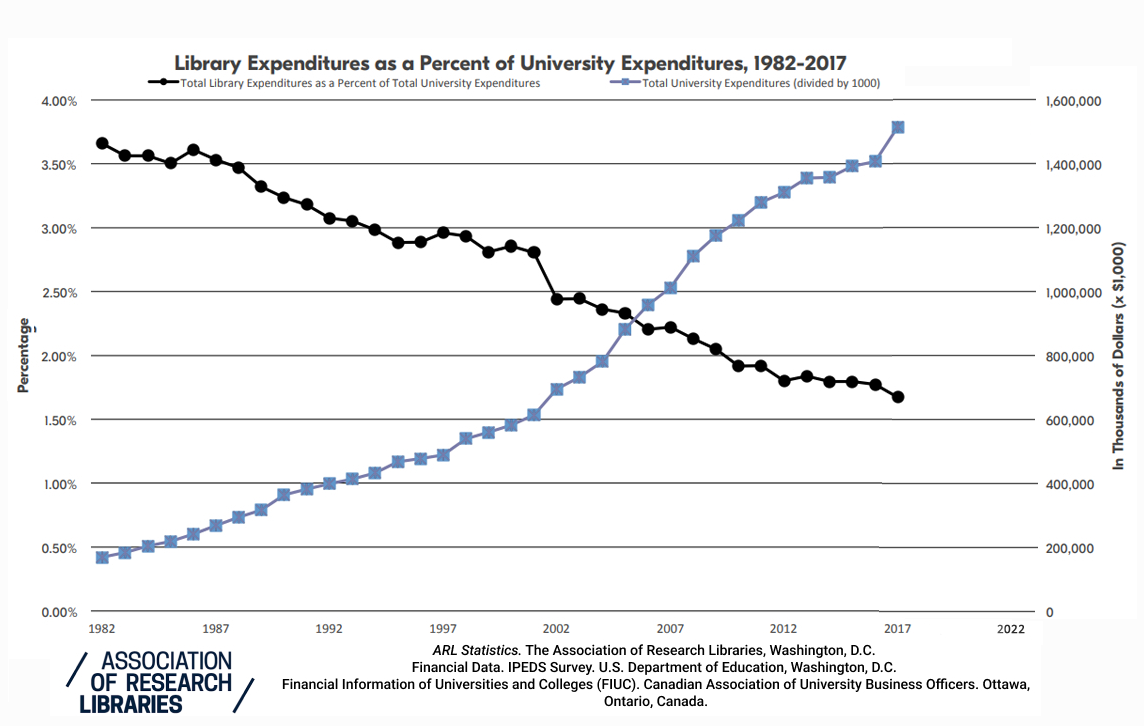
This graph is derived from a report published by the
Association of Research Libraries (ARL). It shows Total Library Expenditures
as a Percent of Total University Expenditures and how the library's share of
the university's budget fell from 3% in 2000 to 1.5% in two decades.
Digital Fence ©-Law Limitation 109(c)
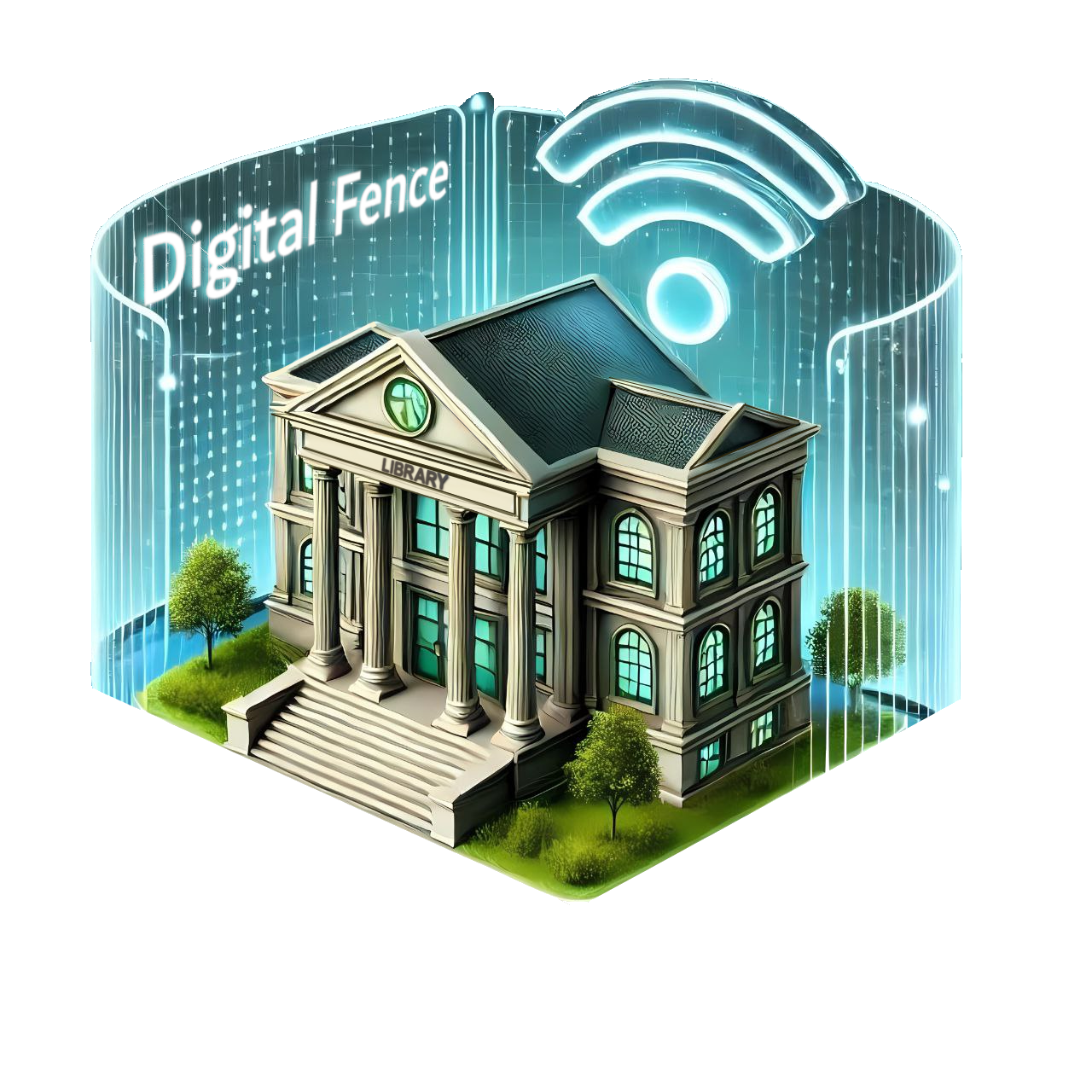
DLSG’s Digital Fence for Libraries
Legal Display of Copyrighted Content While in the Library
With HotLinks Revolutionary 2D Full-text SearchMATCH Discovery and Digital Mind Palace,
DLSG’s
Digital Fence forms the centerpiece of a true hybrid library that Optimizes ©-Law
exceptions and
limitations
Unlike Title 17 Section 109(c)-compliant solutions that only run on patron use PCs in
your
library,
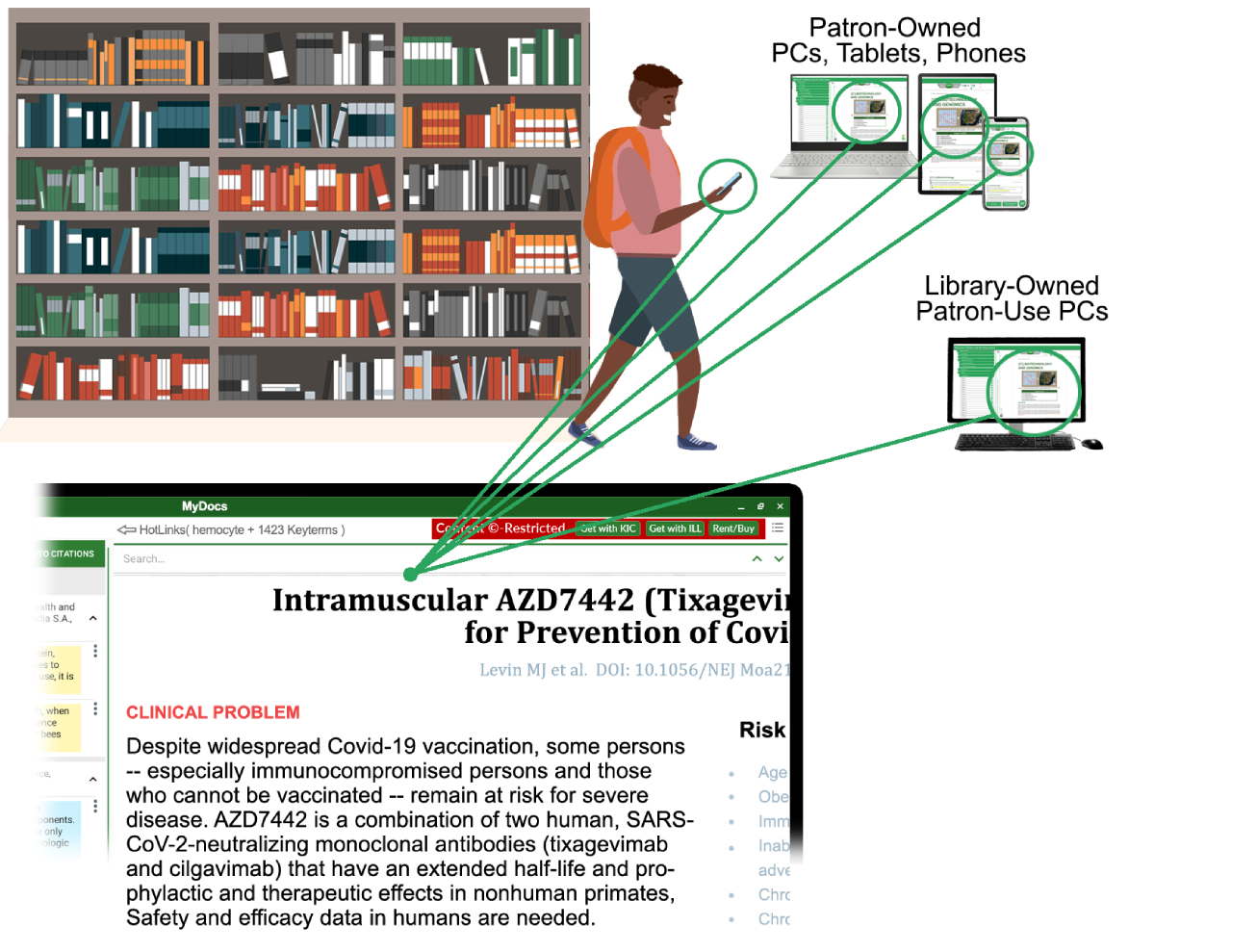
DLSG's Digital Fence also detects when notebook PCs, tablets and phones are in the
library and
allow
copyrighted print collections content to be displayed on your patron’s own devices
“by the
projection of no more than one image at a time” and only while they are “present at the place where
the copy is located,” in compliance with Section 109(c).
Title 17 Section 109(c)
Notwithstanding the provisions of section 106(5), the owner of a particular copy lawfully made under this title, or any person authorized by such owner, is entitled, without the authority of the copyright owner, to display that copy publicly, either directly or by the projection of no more than one image at a time, to viewers present at the place where the copy is located.
How Digital Fence Works
 While in the Library, All Copyrighted
 Print Collections Content is Readable
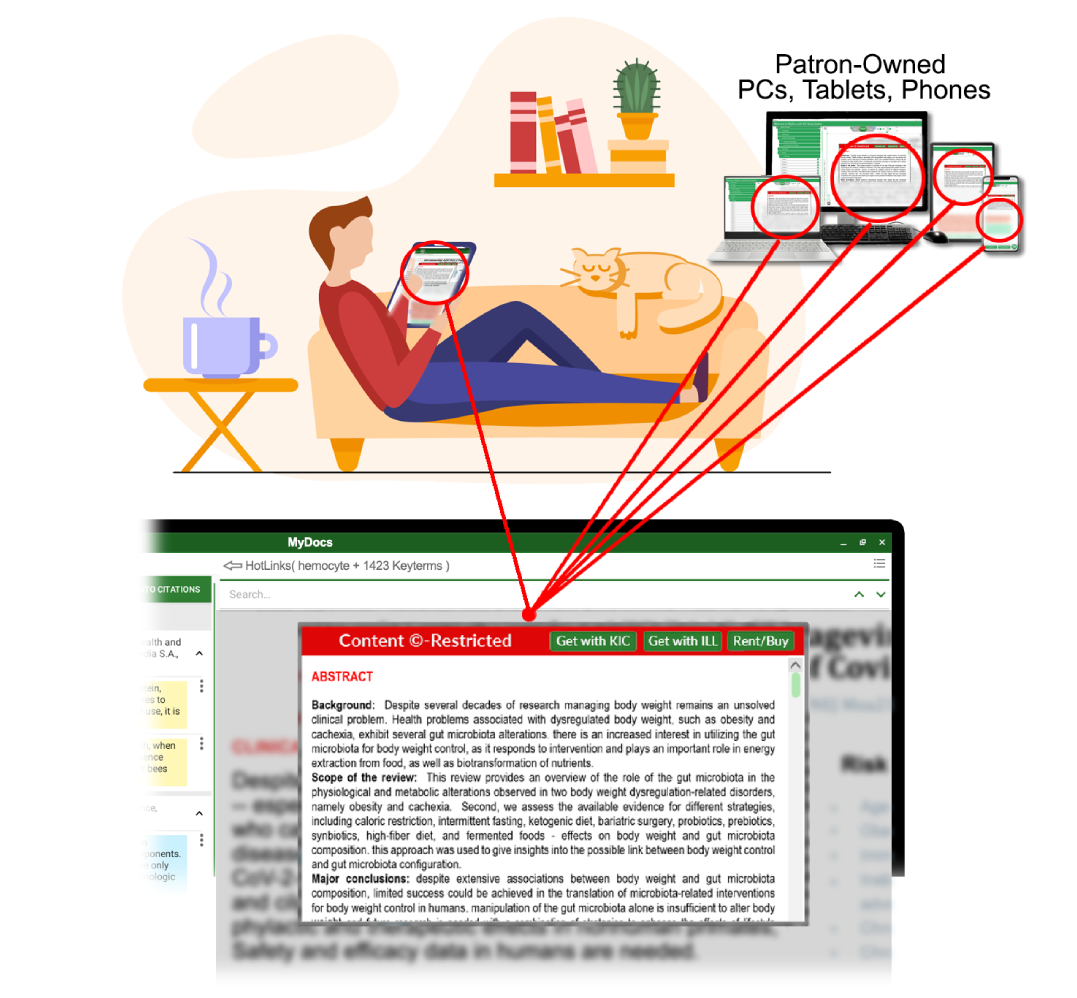
 When Outside the Library, Copyright-controlled
 Content is Blurred, While Metadata is Readable
With HotLinks Revolutionary 2D Full-text SearchMATCH Discovery,
tens of
millions of Open Access journal articles and 17,000 books are available at all times
via HotLinks Revolutionary 2D Full-text SearchMATCH Discovery and Digital Mind Palace
Multiple WiFi hotspots are common in academic and public libraries
DLSG's Digital Fence uses the signal strengths of library's WiFi hotspots
(access
points), and through 'triangulation,' verifies whether the patron is in the library and
'present at
the place where the copy is located.' If the patron moves outside the digital fence, any
copyrighted
content that was readable while inside the digital fence becomes unreadable, and the item's
title
author, publisher, publish date and other information is displayed clearly in a window over
the
blurred content.
DLSG provides a Digital Fence calibration tool so that your library's IT
staff
can recalibrate the Digital Fence when a change is made to the number of WiFi HotSpots
and/or their
locations. A virtually unlimited number of floors and floorplan shapes can be configured.
Note that the best place to keep print items that can be viewed while in
the
library is a Concentrated Collections Area (CCA). Each CCA can have its own separate digital
fence.
A virtually unlimited number of floors and library floor plan shapes can
be
configured
WiFi Digital Fence


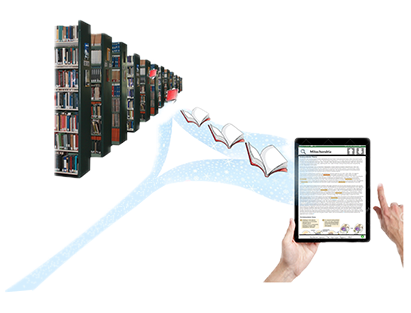
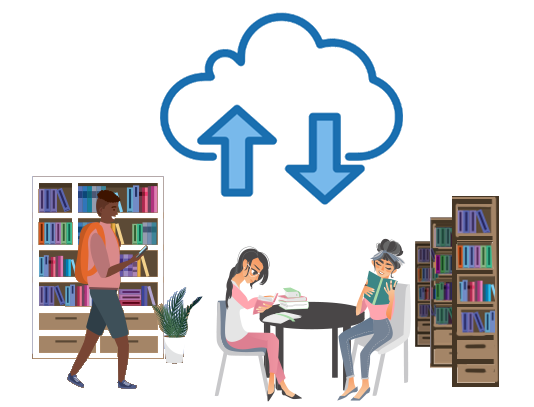
While you wait to see whether libraries will ever again be able to buy a
book and lend it thousands of times, your library can do something
quite amazing and fully legal – you can provide your patrons with
unlimited digital access to your print collections content while they
are in the library. Copyright law explicitly states that every owner of a
copy of a copyrighted item can allow others to view that item on a
display device. Your library can provide unlimited digital viewing of
all of your items or just your most popular items, on your patron-use
PCs and on your patrons’ own notebooks, tablets and phones for far
less than book publishers are charging for Overdrive lending and far
less than journal publishers are charging for journal subscriptions.
And it’s unambiguously legal.
Copyright Law Section 109(c) allows copyrighted content to be projected onto a digital
device,
provided
only one copy is displayed for each copy that is owned and 'in the same place.' Although not
as
valuable
to patrons as controlled digital lending (if it were legal), DLSG's version of 'in-library'
digital
display makes print collections items digitally viewable for pennies per page.
For copyrighted items that academic libraries rarely purchase more than one copy of (e.g.,
monographs
and journals), interpreting the ‘place’ as the entire university would not materially hurt
publisher
sales, and instead, would greatly benefit students, faculty and researchers. This should
increase
sales
of monographs and journals, which would provide some much needed financial help to small,
independent
journal and monograph publishers.
For Copyrighted items that are typically purchased in bulk (e.g., textbooks), it seems that
the
‘place’
should be interpreted as 'inside the library.' Otherwise, many purchases for students that
would
ordinarily be in bulk may be reduced to a single copy.
For Copyrighted items that are typically purchased in bulk (e.g., textbooks), it seems that
the
‘place’
must be limited to the library. Otherwise, many purchases that would ordinarily be in bulk
may be
reduced to a single copy.
To allow public libraries and academic institutions to take advantage
of ©-LawSection 109(c), DLSG offers two types of Digital Fence: 1) IP
based; and 2) Wi-Fi Signal Strength with Triangulation. This is because
copyright law does not specify the ‘place’ in detail.
For institutions that opt for the WiFi-based digital fence, a DLSG technician will assist
the
library in
setting up the initial WiFi-based digital fence then train library staff to tune and adjust
it as
needed
(e.g., when your library adds Wi-Fi access points).
Digital Fence is Location-Restricted Digital Display of
Copyrighted Content in Compliance with ©-Law 109(c)
-formerly Section 109(b)
Copyright Law USCODE Title 17 Chapter 1 Subsection 109
THE APPLICABLE LAW
Notwithstanding the provisions of section 106(5), the owner of a particular copy lawfully made under this title, or any person authorized by such owner, is entitled, without the authority of the copyright owner, to display that copy publicly, either directly or by the projection of no more than one image at a time, to viewers present at the place where the copy is located.
HISTORICAL AND REVISION NOTES HOUSE REPORT NO. 94-1476

Historical and revision notes from the House are explanatory notes that provide valuable insight into the intent of the legislation. Judges, lawyers, and scholars use these notes to understand the legislative intent and interpret the law more accurately.


DLSG's Digital Fence works with three other copyright law limitations technologies to provide seamless discovery, viewing while in the library, and permanent digital distribution of book excerpts and individual journal articles via self-serve and ILL digital copying:
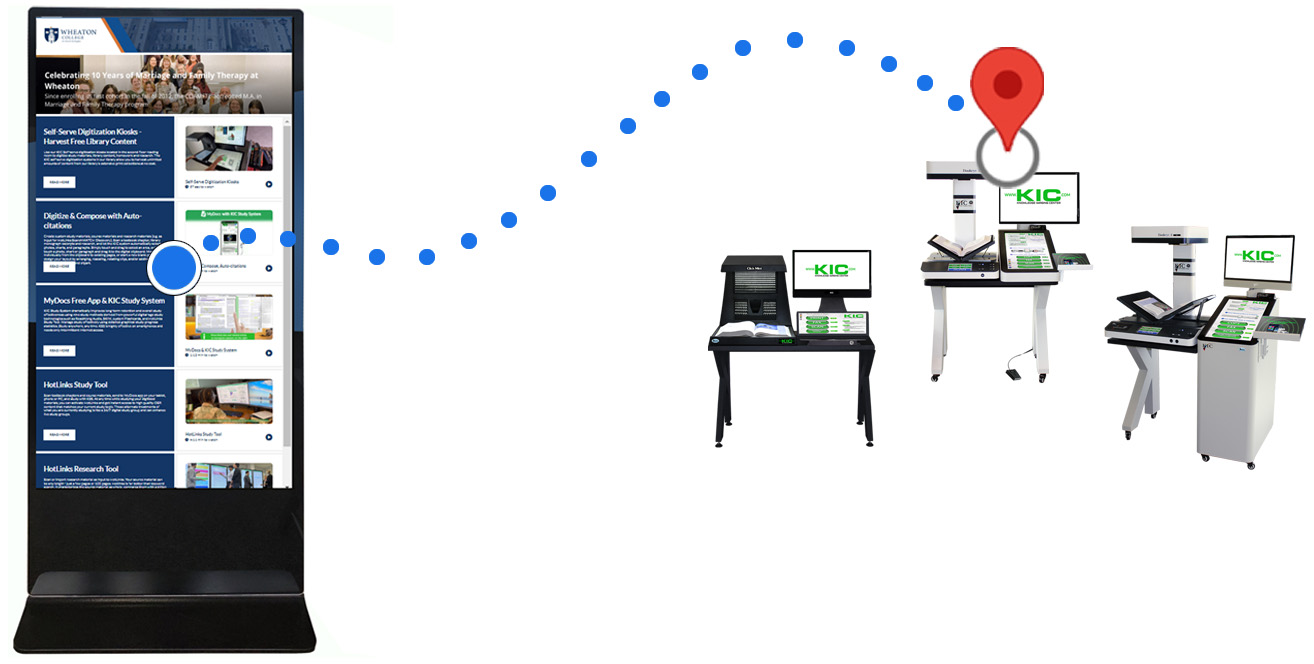
- 1. KIC self-serve digitization kiosks - if you are an academic library, you probably already own several of these
- 2. BSCAN ILL - if you are an R1 or R2 academic library, you probably already own at least one of these
- 3. HotLinks 2D Full-text SearchMATCH discovery - DLSG's revolutionary new discovery system confirmed as legal in Google vs Authors Guild.
Concentrated Collections Areas
Maximize Library Superpowers with Modern Concentrated Collections
Areas
Why Add Concentrated Collections Areas now? For many decades, reading
rooms, reference sections, journal
areas and special collections areas have been popular places in academic libraries. However,
apart from
replacing photocopiers in these concentrated collections areas with self-serve scanning systems,
they
have not kept up with the times. At minimum, modern full-text search and digital display are
needed –
see Authors Guild v. Google and the copyright law limitation allowing public display.
DLSG offers much more than full-text search. Unlike basic full-text
search,
which takes a few key terms
as input, DLSG’s revolutionary HotLinks 2D full-text SearchMATCH discovery system allows
students and
researchers to input entire textbook chapters. and dozens of pages of personal research and
journal
articles. Then, in seconds, HotLinks finds the most relevant content in your concentrated
collections
areas, and while in the library, patrons can see the results – digital display “of no more than one
image at a time, to viewers present at the place where the copy is located” complies with
copyright law
section 109(c).
With CCAs, permanent distribution of content can increase dramatically,
either
via KIC self-serve
digitization or via ILL request-fulfillment. While limited to excerpts of books and monographs,
and
individual articles (in compliance with copyright law section 108), content captured by
self-serve or
ILL digitization can be kept forever. Together with HotLinks SearchMATCH and viewing while in
the
library (e.g., inside the Digital Fence), access to print collections content at your library is
likely
to increase dramatically, which can be thoroughly conveyed to budgeting authorities with
extensive usage
reports.
At first thought, an increase in ILL request-fulfillment work may appear as a problem, However,
the
value to patrons receiving the content highly likely to be considered by university budgeting
authorities as many times more than the cost to fulfill the increased number of ILL requests.
While increasing the number of ILL requests fulfilled by your library staff can justify
significant
budget increases, it can be very costly if too many of those requests are for irrelevant
content. It is
very important to ensure that ILL requests are made with the highest likelihood that the content
requested will be useful. While not the case with journal subscriptions, display while in the
library
ensures that ILL requests are only made for content that has been verified to be relevant.
- 1.For journal articles, most subscriptions do not allow the user to review the content before downloading, which results in many downloads of content that is not useful.
- 2.For monographs and books, online search systems are not legally allowed to display the full text of search results.
Even when users are not in the library, concentrated collections areas provide great added
value,
especially for monographs and books. Until now, digital ILL of excerpts of monographs and books
has not
been viable. However, the HotLinks SearchMATCH function takes many pages of the users’ content
as input
and finds the most relevant individual chapters, Even when
outside
the library and therefore unable to
read the full text, authorized patrons can make ILL requests for specific chapters and library
staff can
fulfill those requests with confidence that the content will be relevant.
CCAs can provide double-digit increases in resource utilization and justify significant budget
increases. Placing into turnkey CCAs nearly all items that are likely to be accessed at least
once in a
year can yield multiple times its cost in budget increases, provided the CCAs include HotLinks,
Mind
Palace and Digital Fence with integrated ILL request-fulfillment, self-serve digitization.
Modern,
ultrafast book scanners can further improve return on investment.
These state-of-the-art concentrated collections areas add an intriguing new dimension and
compelling new
reasons to visit the library as well as remotely accessing library resources. Its benefits
include:
- Highly productive browsing – the content that is most relevant to your patrons is concentrated into a small space=
- A revolutionary search-match facility that takes many pages as input and locates the most relevant excerpts within monographs
- Rapid self-serve harvesting – most popular books are a few steps away from fast book scanners
- Cost-effective ILL for monograph excerpts – library staff can fill up to 10 requests for CCA content in an hour
- Eventual full-text search and search-match for your entire print collections – as other libraries create their concentrated collections areas with books that are in your main collections
For the library, the lower reshelving costs over the years can finance a significant amount of
the costs
of creating and maintaining concentrated collections areas. In addition, DLSG is working on a
system
that can further reduce costs. This system will instantly identify the absence of any book from
CCA
shelves, allowing libraries to rely on patrons to return books to the shelves for a further cost
reduction.
Unlike traditional Special Collections areas, whose books are usually selected by topic, age or
rarity,
these new concentrated collections areas can be comprised of professors reading lists,
researchers’
relevant books and books that have been checked out more than once in recent years. In addition
to
making it substantially faster and easier for patron’s to find a book and scan an excerpt (see:
“Library
Superpowers”), it substantially reduces the time to return the book to the shelf.
Creating a Superior Concentrated Collections Area
The first step in creating a superior concentrated collections area is compiling a list of
frequently
accessed monographs and books. If your intent is to create one large concentrated collections
area (e.g.
near a high traffic area of the main library), then it is likely that you will want to combine
professors’ recommended reading lists with researchers’ relevant monographs lists and books that
have
been checked out more than once in the past few years.
The second step is allocating the space, moving the necessary number of bookshelves and at least
one KIC
digitization system into that space, then arranging for DLSG to setup the KIC system for
ingesting books
into a CCA. Once this has been done, you are ready to start ingesting books into the area.
The steps to ingesting books into a concentrated collections area:
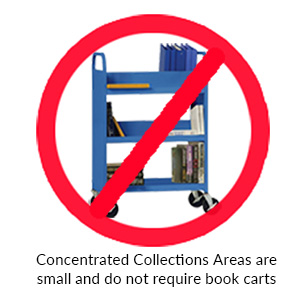
- 3.Using DLSG’s CCA ingestion workflow, print a stack of ‘pull sheets’ (not unlike ILL pull sheets), three or four sheets per work hour
- 4.Gather each book, insert its pull sheet between any two pages, place it on a wheeled book cart and when finished, proceed to the KIC station in the concentrated collections area
- 5.Insert a CCA key into the KIC’s USB port
- 6.Scan a pull sheet, then scan the book, selecting section and chapter bookmarks while scanning. If you are using a KIC Bookeye 5, it should take a little over ten minutes to digitize an entire 300 page book at 300dpi (high image quality)
- 7.Press the CCA Export button to post the search-match metadata to the HotLinks system
- 8.Place the book on a CCA shelf.
- 9.Repeat steps 4, 5 and 6 until finished scanning all books on the cart.
- 10.Repeat steps 1 through 7 until all books have been ingested.
At any time after the first books have been ingested, you can try out DLSG’s HotLinks
Search-Match
function.
Self-Serve Digitizing ©-Law Exception 108(f) "Librarian Superpowers"
KIC Self-Serve Digitization - the most cost-effective way for patrons to get
copyrighted
content
KIC is in over 1000 academic libraries and hundreds of public libraries today largely because
it's a
wonderfully cost-effective way for patrons to get copyrighted content from libraries in digital
form, in
stark of contrast with high-cost publisher subscription fees. DLSG suggests that academic
libraries
target 10% as the portion of digital content that patrons receive via self-serve scanning.
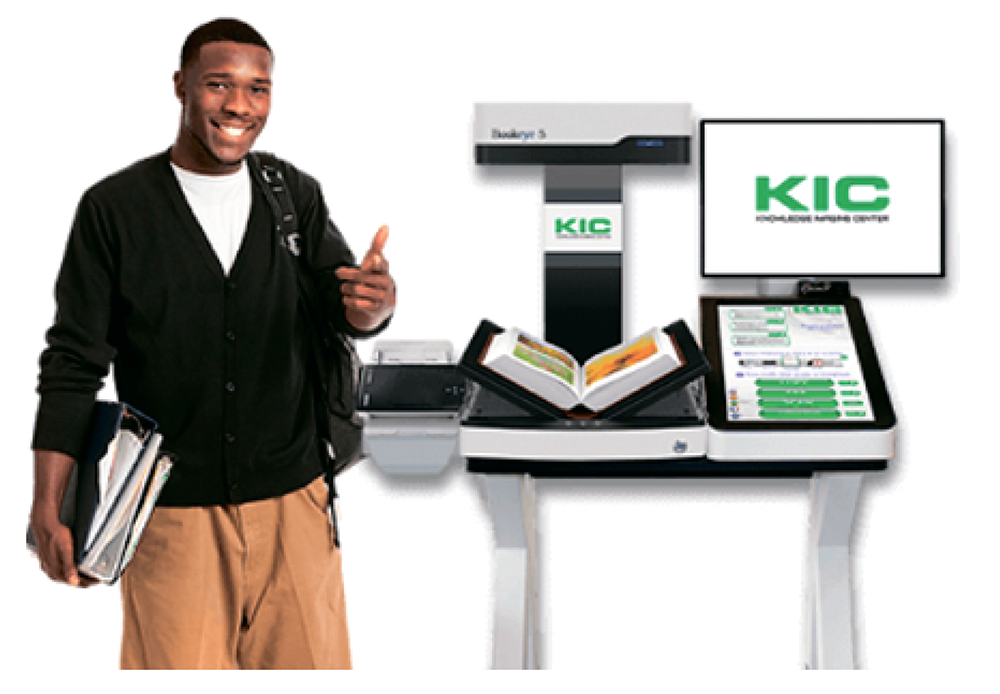
While subscription content is downloaded before the user can determine its relevance, library
KIC users
can read the content first to be certain that it is what they want, then digitize it in a few
minutes.
KIC can digitize a journal article or 30-page book excerpt in only one to two minutes, far less
than the
time it takes to check out a book, then return to the library to check it back in. In addition,
patrons
can take the PDF files of their digitized content off campus, and keep it forever.
Copyright Law: The only legal limitations to using KIC are
1.
The content must be in print form and must be scanned by the user; and
2.
The user must be informed that digitizing copyrighted content must comply with copyright law
section
107 and 108(f)

Target 10%
As long as libraries underutilize ©-Law Section 108, scholarly
publishing
remains a monopoly. Thus, it’s compelling to set at least 10% as a target percentage of
all
scholarly content received by patrons to be from self-serve digitization kiosks.
The best ways to achieve 10%
… and justify substantial budget increases are:
1
Get students to perform more ©-Law Section 108(f) digitization by increasing awareness of the Section 108(f) digitization stations:
-
a. Place one or more info kiosks near library entrances and where students gather perhaps even outside the library, and configure those kiosks to inform students, faculty and researchers about your KIC self-serve digitization kiosks that are conveniently located near or amongst your print collections.
-
b. Promote KIC's free MyDocs app to students - MyDocs includes KIC Study System and HotLinks Study Tool with its Personal Digital Mind Palace, which instantly connects students to your Concentrated Collections Areas (CCAs), providing substantially more exposure to your library’s copyrighted content. Hotlinks provides a button for students to use when they are shown only summary information about some copyrighted content that is available in print (for checkout or for copying), but is not part of a digital subscription. The next time the student is in the library, he/she can digitize the content in a few minutes and instantly and flawlessly integrate the content into his/her HotLinks and Personal Digital Mind Palace. This also gets more students into your library, which can further justify budget increases.
Imagine many of your students importing course materials or a textbook chapter into MyDocs, performing a HotLinks 2D Full-text SearchMATCH, digitally discovering a chapter of a printed book on your library shelves, a chapter that is highly relevant, but unviewable due to copyright restrictions. Then imagine the student pressing a button to add the item to their digitize TODO list, digitizing the item, then going back to HotLinks and being able to view the item anywhere in the world, forever, legally, even without an internet connection. The value of your print collections will rise instantly. More information on HotLinks can be found below on this Web page.
-
c. Promote KIC's free MyDocs app for researchers - MyDocs includes HotLinks Research Tool with Personal Digital Mind Palace, which instantly connects researchers to your Concentrated Collections Areas (CCAs), providing substantially more exposure to your library’s copyrighted content. Hotlinks provides a button for researchers to use when HotLinks shows only summary information about some copyrighted content that is available in print (for checkout or for copying), and is not part of your institution’s digital subscription. The researcher can press an [ ILL ] request button and instantly request the content to be digitized by library staff, whether the content is a journal article or a few chapters in a monograph. Upon receipt by the researcher, the content is instantly and flawlessly integrated into his/her HotLinks and Personal Digital Mind Palace. This also gets more researchers to visit your library, which can further justify budget increases. More information on HotLinks can be found below on this Web page.
2
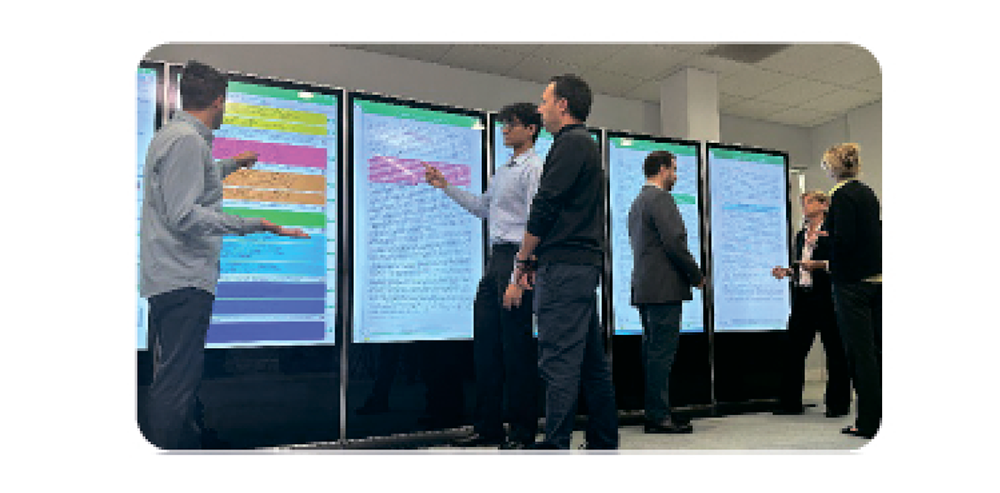
Place a six to eight station HotLinks with Mind Palace Collaboration System in a reservable collaboration room for collaborative study and research and other content. Each station is a 65 inch floor-standing touch screen. The user’s content appears larger than life on the leftmost touch screen. The screen to its right contains lists of highlights in the user’s content and in items found using HotLinks 2D Full-text SearchMATCH Discovery. Each highlight is linked to the source, and touching a highlight will result in the content being displayed instantly on one of the remaining 65 inch floor-standing stations. Hundreds of items of interest can be accessed instantly with a touch. Highlights can be shared among HotLinks users and can be printed along with citation information.
3
Implement a Concentrated Collections Area (CCA) with a high-speed KIC for quick and convenient access to and digitization of excerpts from several thousand of the most frequently accessed books and monographs and hundreds of thousands of frequently accessed journal articles. 1,000 frequently accessed books can be ‘catalogued’ into HotLinks per month by one worker. One worker can also ‘catalogue’ tens of thousands of journal articles into HotLinks per month. More…
Free Library App

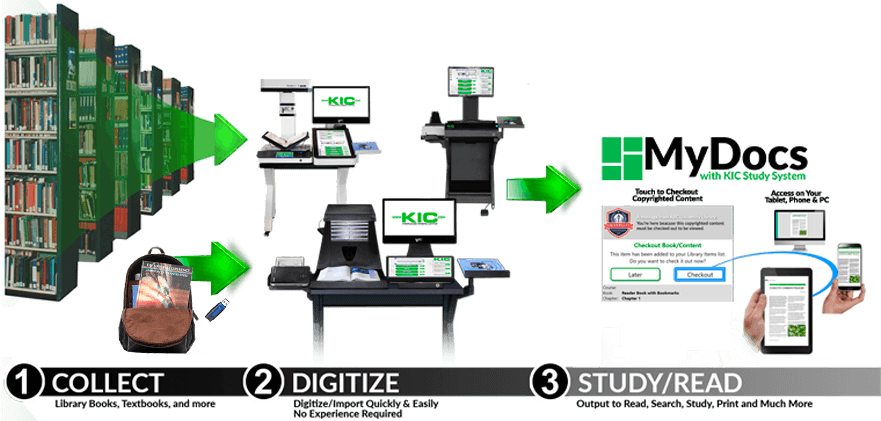
MyDocs Library App allows users to harvest, capture &
organize
all library and textbook content for study and research on phone/tablet/PC.
Access ILL/DDD content, any digital output from KIC
scan
stations, and any imported digital material. More Info
>
| Features | Advantages |
|---|---|
| ReadAlong Audio (3 Study Methods) | Reading while listening is well known to significantly improve retention. In addition, users can also use just the audio or read normally without audio. |
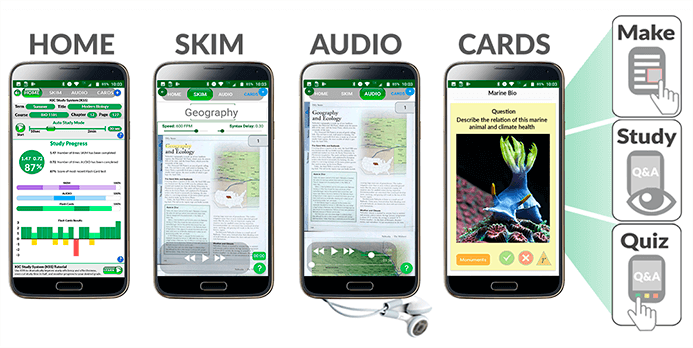
| Highlighting with FlashCards (3 Study Methods) | Students are able to highlight their own private digital copy without defacing a textbook that they don't own, and instead of simply highlighting important text, KSS makes flashcards that can be used for easy review, and quiz themselves on the highlighted points. Note that frequent quizzes are well know to improve retention. |
| SKIM (2 Study Methods) | This feature can be used in two modes: 1) at high speed (e.g. 400-600 words per minute), for pre-reading a paragraph or two just prior to ReadAlong Audio, for reviewing just before a test, or for looking for some particular information that the student hasn't been able to find by searching; and 2) at normal reading speed (e.g. at 120-400 words per minute) for more comfortable reading on the small screen of a smart phone. |
| Study Progress Monitoring | This features shows how much of the study material has been covered once, twice or more using ReadAlong Audio, Skim and the study mode of Flashcards. In addition, it shows the results of the one and multiple flashcard quizzes. |
| Study Dashboard | This feature shows study progress summary information for each course that is in progress, allowing students to better allocate their study time between courses. |
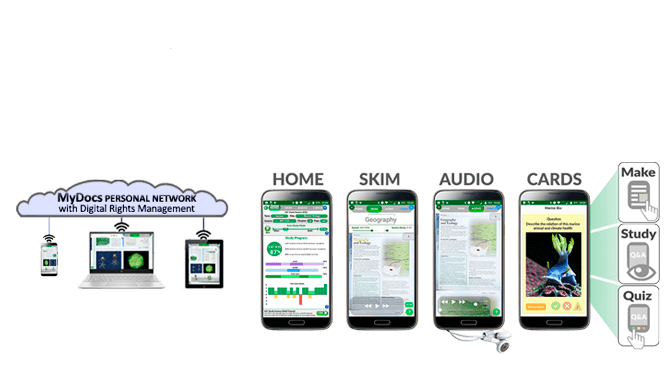
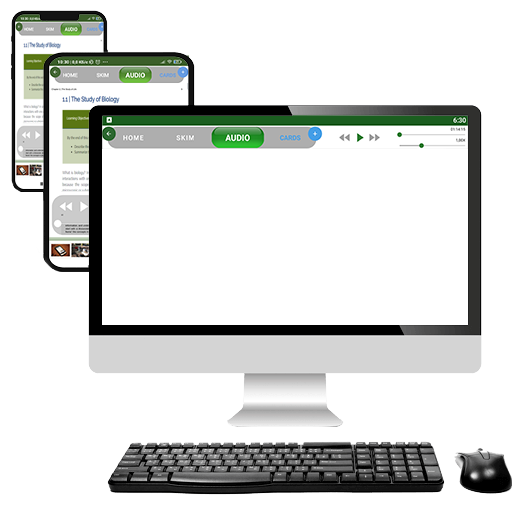
| Small Smart Phone Support | KSS intelligently reflows text, pictures , diagrams, etc. for surprisingly effective studying experience on small smart phones. MyDocs Personal Network can automatically transfer study materials between Phone, Tablet and PC. |
| Personal Network | Once in their phone, KSS packets can be automatically transferred to the students' tablet and PC for seamless switching between devices for optimal study effectiveness. |
| Instant Access to Research | HotLinks Research Tool – Once a researcher inputs dozens of pages of personal research as well as journal articles, etc., into a KIC digitization system at the library and outputs KSS packets to MyDocs, he/she is a few touches and screen swipes away from instant access to up to 100 pages of the most relevant content in the HotLinks and DSE Content Server systems. |
| Instant Access to Alternate Study Materials | HotLinks Study Tool – Students that use KIC digitization systems at the library to digitize a textbook chapter and output a KSS packet to MyDocs can touch and swipe to the most relevant alternate study materials from a million pages of Open Educational Resources, or from all monographs in the HotLinks and DSE Content Server systems. |

KIC Study System - Part of MyDocs
KIC Study System dramatically improves study efficiency and effectiveness
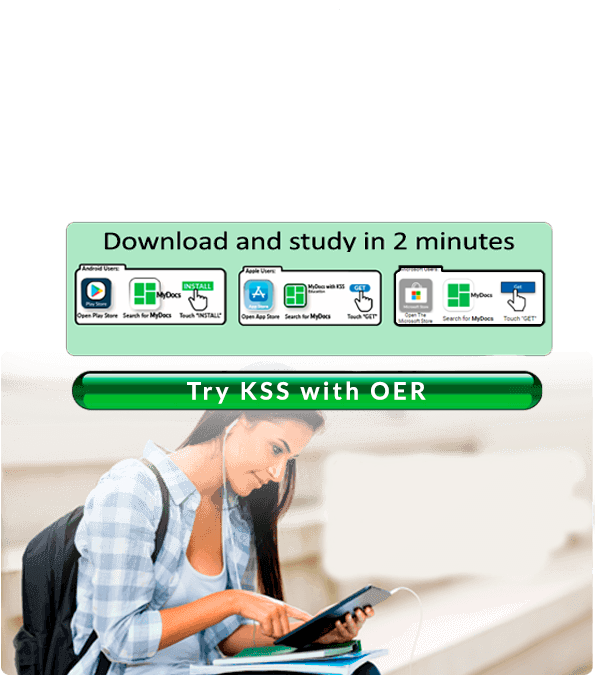
MyDocs is a free download from Microsoft, Apple and Android stores. KSS is a part of
MyDocs that
provides
free access to Open Educational Resources (OER) and scanned content from KIC systems,
with the
following
features:
- ReadAlong Audio
- Computer-assisted skim/review
- Custom flashcards
- Highlighting (HotLinked Highlights coming soon)
- Study progress monitoring
- Instant search-match and access to scholarly content via HotLinks Research & Study Tools
- Repeat Audio for memorization as well as better retention and to assist with understanding
- And more


HotLinks Research Tool
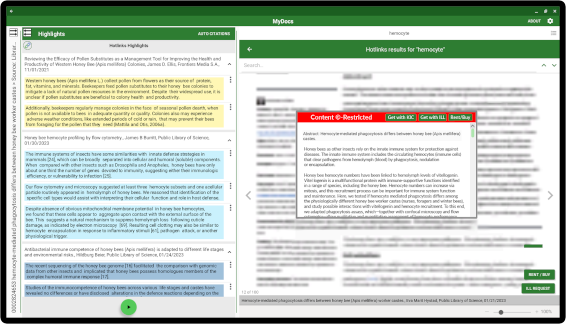
Scan or import research material as input to HotLinks. Your source material can be any length - just a few pages or 100 pages. Hotlinks is far better than keyword search. It characterizes the source material as whole, compares them with a billion pages of scholarly content, and returns the 100 best matches in seconds.
HotLinks offsets untold hours of administrative load and allows researchers to see the closest matches to their source material with simple repeated swipes across their touch screens, revealing consecutive search-matches.

HotLinks Study Tool
Students scan textbook chapters and course materials, send to MyDocs app on their tablet, phone or PC, and study with KSS.
At any time while studying their materials, they can activate HotLinks and swipe their screen and get instant access to high quality OER content that matches their current study topic, exposing them to alternate treatments of whatever they are studying. This can be an effective alternative to collaborative study during COVID.
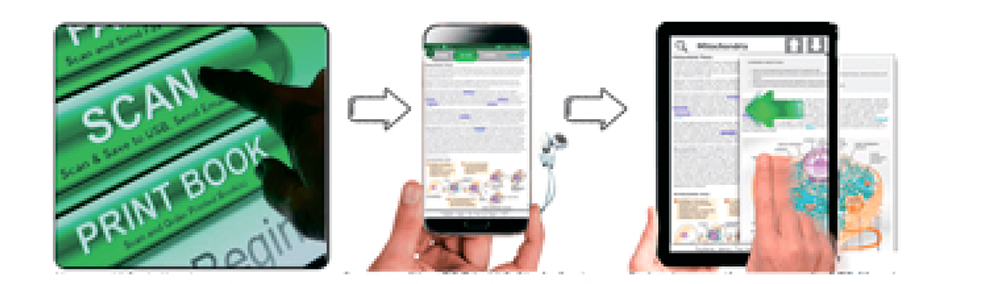
Scan and send to MyDocs
KIC Study System
HotLinks Study Tool
Use any KIC station to scan course material, textbook chapters, and other study material quickly and efficiently.
Open resulting PDF in KIC Study System to skim, hear the material read around, and make, study and test flashcards.
Swipe to see other sources in OER libraries to read addition treatments and expand your understanding of the study material.

KSS for High School Students
Distance learning has disrupted study time as much as it has disrupted teaching. KIC Study System's graphical study progress tracking can be a great study coach. It also provides a powerful alternative to collaborative study - instant access to alternate treatments of a topic.
When a student is having trouble understanding some material, a mouse-click or touch screen swipe provides instant access to high-quality OER content on the same topic.
"I've skimmed and read my history twice. Time for biology."
"This SKIM is great for studying when I'm stuck somewhere with just my phone."
Open Educational Resources (OER) for High
School and Lower
Division
College Students
Use KSS instantly and free with the following OER
"My professor just told us about KSS and how to get the OER textbook he assigned. KSS is a great way to study."
- LibreTexts
- An Introduction to Nutrition
- Bio2 Introduction to Human Biology
- Biochemistry Free and Easy
- Biochemistry Free for All
- Biochemistry Online
- Biodiversity
- Biofundamentals
- Biol3300 Genetics
- Biology
- Book Laboratory Exercises in Microbiology
- Cascade Microbiology
- Cells Molecules and Mechanisms
- Entomology Lab Manual
- Environmental Science
- Environmental Biology
- Evolutionary Developmental Biology
- Forest Measurements and Applied Approach
- General Biology
- General Microbiology Lab Manual
- Introduction to Botany
- Introduction to Environmental Science
- Introduction to Genetics
- Introduction to Microbiology
- L C C Introduction to Botany Hawaii Based
- Microbiology
- MKBN211 Introductory Microbiology
- Phylogenetic Comparative Methods
- Quantitative Ecology A New Unified Approach
- Information Systems for Business and Beyond
- International Finance Theory and Policy
- Introduction to Business
- Macroeconomics
- Principles of Macroeconomics
- African American History
- U S History
- World History Cultures States and Societies to 1500
- Psychology
- Introductory Psychology
- Sociology
- International Relations Theory
- Minority Studies
- International Relations
- Together The Science Of Social Psychology
- Mind Body World Foundations Of Cognitive Science
- A Short Introduction To World Politics
- Principles Of Microeconomics
- Biological Anthropology
- A Primer On Politics
- Introduction To Human Geography
- World Regional Geography
- Social Problems Continuity And Change
- Language and Culture in Context
- Discover Psychology a Brief Introductory Text
- OpenStax
- Algebra Trigonometry
- American Government
- Anatomy Physiology
- A P Biology
- A P College Physics
- A P Macroeconomics
- A P Microeconomics
- Astronomy
- Biology
- Business Ethics
- Business Law1
- Calculus Volume1
- Calculus Volume2
- Calculus Volume3
- Chemistry
- Chemistry Atoms First
- College Algebra
- College Physics
- College Success
- Concepts Of Biology
- Economics
- Elementary Algebra
- Entrepreneurship
- Financial Accounting Volume1
- Intermediate Algebra
- Introduction To Business
- Introductory Business Statistics
- Introductory Statistics
- Macroeconomics
- Managerial Accounting Volume2
- Microbiology
- Microeconomics
- Organizational Behavior
- Physics Volume1
- Physics Volume2
- Physics Volume3
- Pre- Algebra
- Pre- Calculus
- Principles Of Management
- Psychology
- Psychology-2e
- Sociology
- Statistics High school
- U S History
- Bay College
- English 101
- English 102
- History 211
- History 212
- FYE103 Career Exploration
- StanfordUniversityPress
- American Yawp Volume 1
- American Yawp Volume 2
KIC Study System (KSS)
Dramatically improve long-term retention and overall study effectiveness using nine study methods derived from powerful digital-age study technologies such as ReadAlong Audio, SKIM, custom Flashcards, and HotLinks Study Tools
Manage study effectively using detailed graphical study progress statistics. Study anywhere, any time. KSS is highly effective on smartphones and needs only intermittent internet access.
No Internet? No problem.
MyDocs only uses the internet occasionally, to get new study material and synchronize between your devices. Note that MyDocs checks for digital rights compliance when internet connection is re-established
KSS is even effective on the small screens of smartphones.
InterLibrary Loan ©-Law Exception 108(d) "Librarian Superpowers"

BSCAN ILL digitization - the most cost-effective way for libraries to provide copyrighted
content
BSCAN ILL is used by most of the 260+ R1 and R2 institutions,
largely because it is the most cost-effective way for libraries to
deliver digital copies of journal article content to their researchers,
in stark contrast with publisher subscription fees.
Libraries can digitize the same journal article hundreds of times,
taking only a minute or two each time, and each time, sending that
article to a different requestor. In addition, patrons can take PDF
files of ILL-requested digitized content off campus and keep it forever.
While downloaded subscriptions content can often be irrelevant
to the user, if patrons are able to use 2D full-text SearchMATCH
discovery, the possibility that the article is irrelevant is very low.
Then in only one to two minutes, a 30-page excerpt can be digitized.
Complete Interlibrary Loan Scanning
and Image Treatment Workflow System
Complete Interlibrary Loan Scanning and Image Treatment Workflow System
... better image quality, fewer errors, and easier operation
In the early days of digital interlibrary loan and digital document delivery, the available software was simple and image quality expectations of requestors were low. Times have changed. The demand for faster workflow delivery and perfect, printer-ready images has made the current software environment complex, creating significant challenges in training new employees. BSCAN ILL simplifies existing processes and produces perfect, printer-ready images.
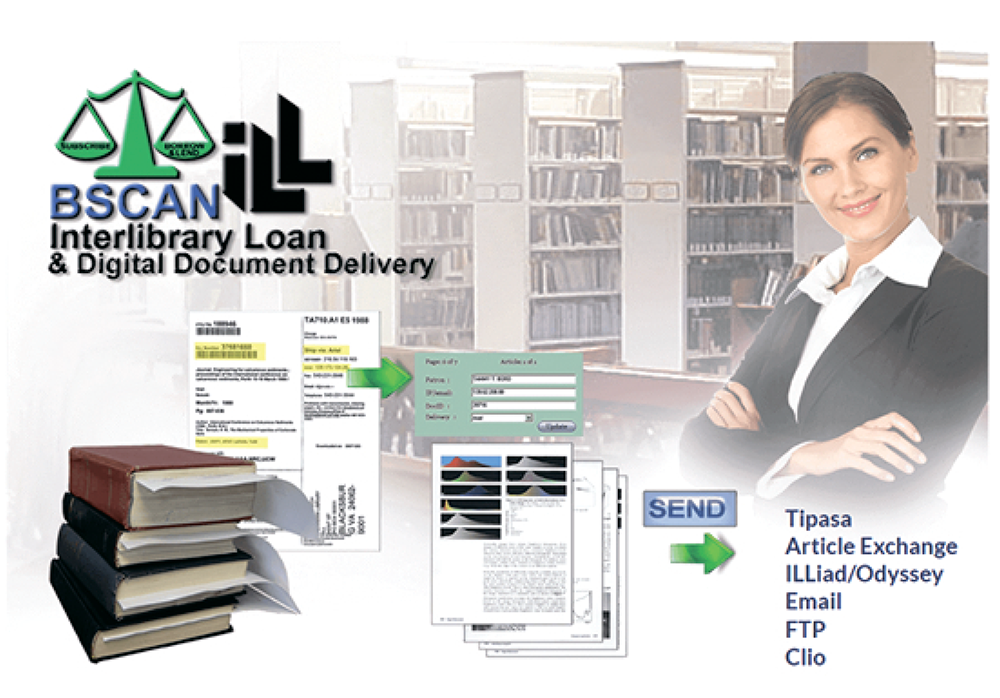
BSCAN ILL starts by eliminating the need to manually enter requestor information.
BSCAN ILL
automatically reads the information that is required by interlibrary loan document
delivery
software from scanned pull slips, not only saving time but also eliminating
human error.


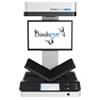
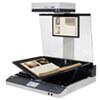
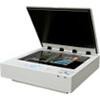
Articles are scanned using one of a family of high speed face-up scanners: Click Mini and Bookeye V3, V2 & V1. By eliminating the constant book flipping required by flatbed scanners, these face-up scanners are three to five times faster than the fastest face-down scanners, and they do not cause book spine damage. For low volume ILL operations, BSCAN ILL also runs BookEdge flatbed scanners, employing their book edge feature and a faster mode that scans two pages at a time.
Once articles are scanned, BSCAN ILL's powerful image treatment capabilities automatically eliminate skew and remove unwanted black borders, fan and gutter.
Finally, BSCAN ILL automatically sends requests through Tipasa, ILLiad/Odyssey, Ariel, RAPIDo, Article Exchange, FTP, and e-mail and can notify ILLiad/Odyssey in each case, all without any need for further human intervention. Resending articles is also a snap.

If you could...
...add Digital Document Delivery services for as little as $2,000 per year, would you?
...cut your ILL scanning time in half for less than $2,000 per year, and in half again for $500 more, would you?
...simplify your digitization process, reduce worker training time, produce clean, straight print-ready images every time for $2,000 per year, would you?
What if you could do all this plus eliminate keying the requestor info, automatically deliver articles, resend requests days later if a delivery failure occurs, and operate seamlessly with all other ILL software and systems (e.g. Tipasa, Article Exchange, ILLiad/Odyssey, Ariel, FTP & email)?
...would you?
BSCAN ILL
Dramatically Improves ILL Digitization
A fundamental tenet that has always bound the academic research community together is open sharing of newfound knowledge. Today, this open sharing is going on at a feverish pace and digital interlibrary loan services are an essential vehicle. Scholars from all fields are becoming increasingly dependent on their ability to acquire journal articles in just one day.
In the early 1990s, the pioneers of interlibrary loan digitization had no choice but to adapt commercial scanning equipment to meet their needs. Ariel was the only available document delivery software and there were no scanners made specifically for scanning books, journals and maps. Over time, that changed. Planetary scanners became available in the late 1990s. The first release of BSCAN ILL automatically read (using OCR) the requestor information from pull slips without manual keying, supported rapid scanning and image cleanup, and automatically posted to Ariel with the press of a single button. Since then, ILLiad, Odyssey, Ariel, RAPIDo and Article Exchange have been integrated into BSCAN ILL with the same hands-off automation. BSCAN ILL has a host of valuable features, many of which are not available with any other system.
In addition to allowing review of electronic articles and resource sharing to reduce per article scanning costs (e.g. for archival, electronic course materials creation, scanning projects), only BSCAN ILL offers you:
- One easy user interface, integrated seamlessly with Tipasa, Article Exchange, ILLiad/Odyssey, RAPIDo, Ariel, FTP & Email - reduces training time significantly
- Optimized for the latest technology in face-up scanners, including all Bookeye models, Click Mini, and face-down scanners such as BookEdge and WideTEK 25
- Automatically reading of requestor information from pull slips
- Automatically sending without intervention by the scan operator
- Central management with central, portable and remote scanning
- Automatic hold of all scanned articles for up to 30 days for fast correcting and easy resending
- Automatic updating of ILLiad/Odyssey, even if the request was delivered by another means such as Tipasa, Ariel, FTP or email
- Automatic image cleanup and output of 'printer-ready' images
In light of the great value ILL represents for research libraries, DLSG suggests that they
TARGET10%
as
the portion of digital content that their patrons
receive via ILL. To increase ILL use, four of the five self-serve digitization target
suggestions
for
KIC
(excluding suggestion 2) will promote greater ILL use
if the library includes a significant number of print journals in their CCA ingestion
process.
BSCAN ILL Scanner Component Options

2D Full-Text SearchMATCH Discovery
For Students
For Researchers
For many decades, physical card catalogs were an essential part of the library. Scholarly discovery advanced tremendously with digital card catalogs and journal article abstract search systems such as WorldCat. It’s not surprising that many researchers and librarians thought that it couldn’t get better than that. Then in 2004, scholarly discovery made another tremendous advancement with full-text search of scholarly content, and again, many thought it couldn’t get better.
Yet full-text search has a fundamental limitation – it takes only a few key terms as input. Researchers typically create and acquire hundreds, even thousands of pages of content relevant to their research over months and years. In addition, college students are assigned hundreds of pages of relevant study materials at the beginning of each semester. The next generation discovery system must be able to accept hundreds of pages of content as ‘search’ input.
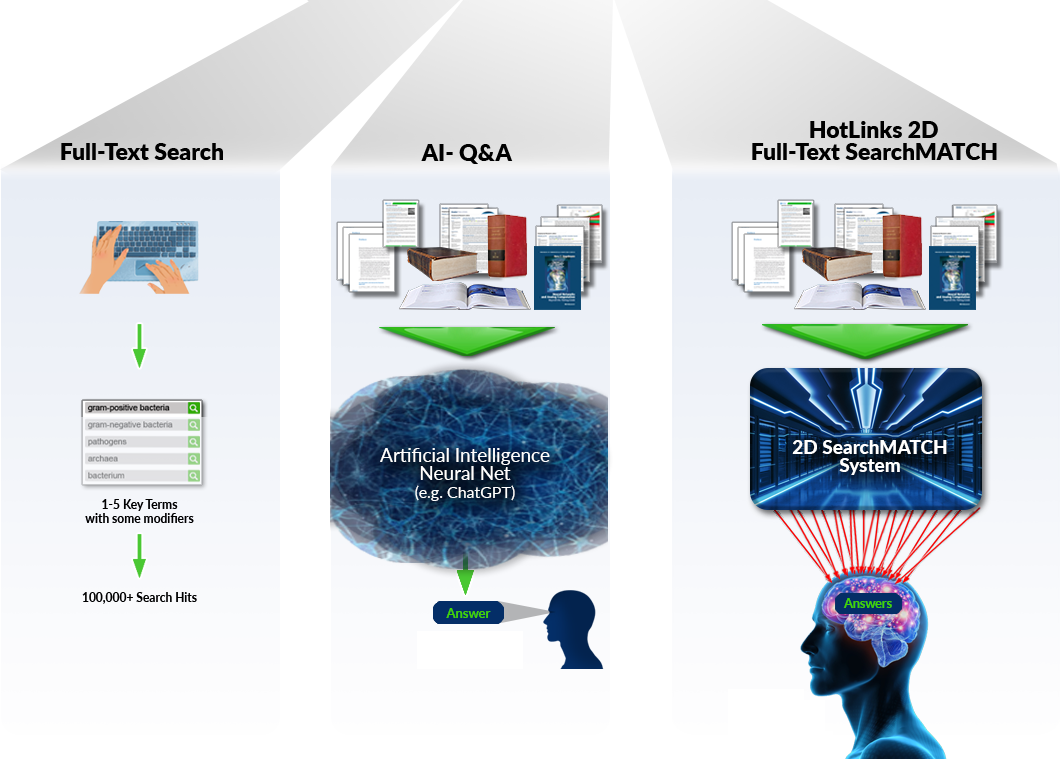
In the past year, two tremendous new discovery technologies became available, ChatGPT and HotLinks Research Tool, and both of these technologies can take many pages of content as input. HotLinks was built for scholarly research and study and can take hundreds of pages of research or study materials as input, and ChatGPT can also take many pages as input. From that point forward, these two systems differ greatly. ChatGPT can create multiple pages of text output and can even create images. HotLinks exists to serve researchers and college students and as such, does not draw conclusions, leaving that to its users.
Discovery Technologies Comparison
Full-Text Search vs Artificial Intelligence(e.g.ChatGPT) vs HotLinks 2D SearchMATCH
| Discovery Technologies Comparison Chart | Full-Text Search | Artificial Intelligence | HotLinks 2D SearchMATCH |
|---|---|---|---|
| Support for simple key term search/discovery | YES | YES | YES |
| Input of 100+ pages (beyond simple key terms) | NO | YES | YES |
| Correlation 100+ pages of input with billions of pages of scholarly research | NO | YES | YES |
| Instant access to subscription-based content (when on-campus) | NO* | N/A | YES |
| Deterministic algorithms that do not obscure findings from researchers and instead, allow researchers to draw their own conclusions | YES | NO | YES |
| Publisher-power agnostic (does not increase dependency on publishers) | NO | Unknown | YES |
| Integrated with Personal Digital Mind Palace | NO | NO | YES |


Instantly Research Billions of Pages
HotLinks Research Tool leads the way to a whole
new era in research, taking dozens of pages of
research as input, characterizing all
pages, then in seconds, finding the
best matches from a billion pages of
monographs and other scholarly
content. HotLinks then lines the
results up for instant access to result
after result, one per swipe/click.

Some of the
Instantly Accessible
OER Titles
Instantly Accessible
OER Titles
- LibreTexts
- An Introduction to Nutrition
- Bio2 Introduction to Human Biology
- Biochemistry Free and Easy
- Biochemistry Free for All
- Biochemistry Online
- Biodiversity
- Biofundamentals
- BIOL3300 Genetics
- Biology
- Book Laboratory Exercises in Microbiology
- Cascade Microbiology
- Cells Molecules and Mechanisms
- Entomology Lab Manual
- Environmental Science
- Environmental Biology
- Evolutionary Developmental Biology
- Forest Measurements and Applied Approach
- General Biology
- General Microbiology Lab Manual
- Introduction to Botany
- Introduction to Environmental Science
- Introduction to Genetics
- Introduction to Microbiology
- L C C Introduction to Botany Hawaii Based
- Microbiology
- MKBN211 Introductory Microbiology
- Phylogenetic Comparative Methods
- Quantitative Ecology A New Unified Approach
- Information Systems for Business and Beyond
- International Finance Theory and Policy
- Introduction to Business
- Macroeconomics
- Principles of Macroeconomics
- African American History
- U S History
- World History Cultures States and Societies to 1500
- Psychology
- Introductory Psychology
- Sociology
- International Relations Theory
- Minority Studies
- International Relations
- Together The Science Of Social Psychology
- Mind Body World Foundations Of Cognitive Science
- A Short Introduction To World Politics
- Principles Of Microeconomics
- Biological Anthropology
- A Primer On Politics
- Introduction To Human Geography
- World Regional Geography
- Social Problems Continuity And Change
- Language and Culture in Context
- Discover Psychology a Brief Introductory Text
- OpenStax
- Algebra Trigonometry
- American Government
- Anatomy Physiology
- A P Biology
- A P College Physics
- A P Macroeconomics
- A P Microeconomics
- Astronomy
- Biology
- Business Ethics
- Business Law1
- Calculus Volume1
- Calculus Volume2
- Calculus Volume3
- Chemistry
- Chemistry Atoms First
- College Algebra
- College Physics
- College Success
- Concepts Of Biology
- Economics
- Elementary Algebra
- Entrepreneurship
- Financial Accounting Volume1
- Intermediate Algebra
- Introduction To Business
- Introductory Business Statistics
- Introductory Statistics
- Macroeconomics
- Managerial Accounting Volume2
- Microbiology
- Microeconomics
- Organizational Behavior
- Physics Volume1
- Physics Volume2
- Physics Volume3
- Pre- Algebra
- Pre- Calculus
- Principles Of Management
- Psychology
- Psychology-2e
- Sociology
- Statistics High school
- U S History
- Bay College
- English 101
- English 102
- History 211
- History 212
- FYE103 Career Exploration
- StanfordUniversityPress
- American Yawp Volume 1
- American Yawp Volume 2
* some full-text search systems provide a programmatic interface (an API) for accessing the
content
StudentResearcher
Receives Answer
Receives Answer
StudentResearcher
Derives his/her
Own Conclusions
from Hot Links
Derives his/her
Own Conclusions
from Hot Links
Inside HotLinks 2D Full-text SearchMATCH Discovery System
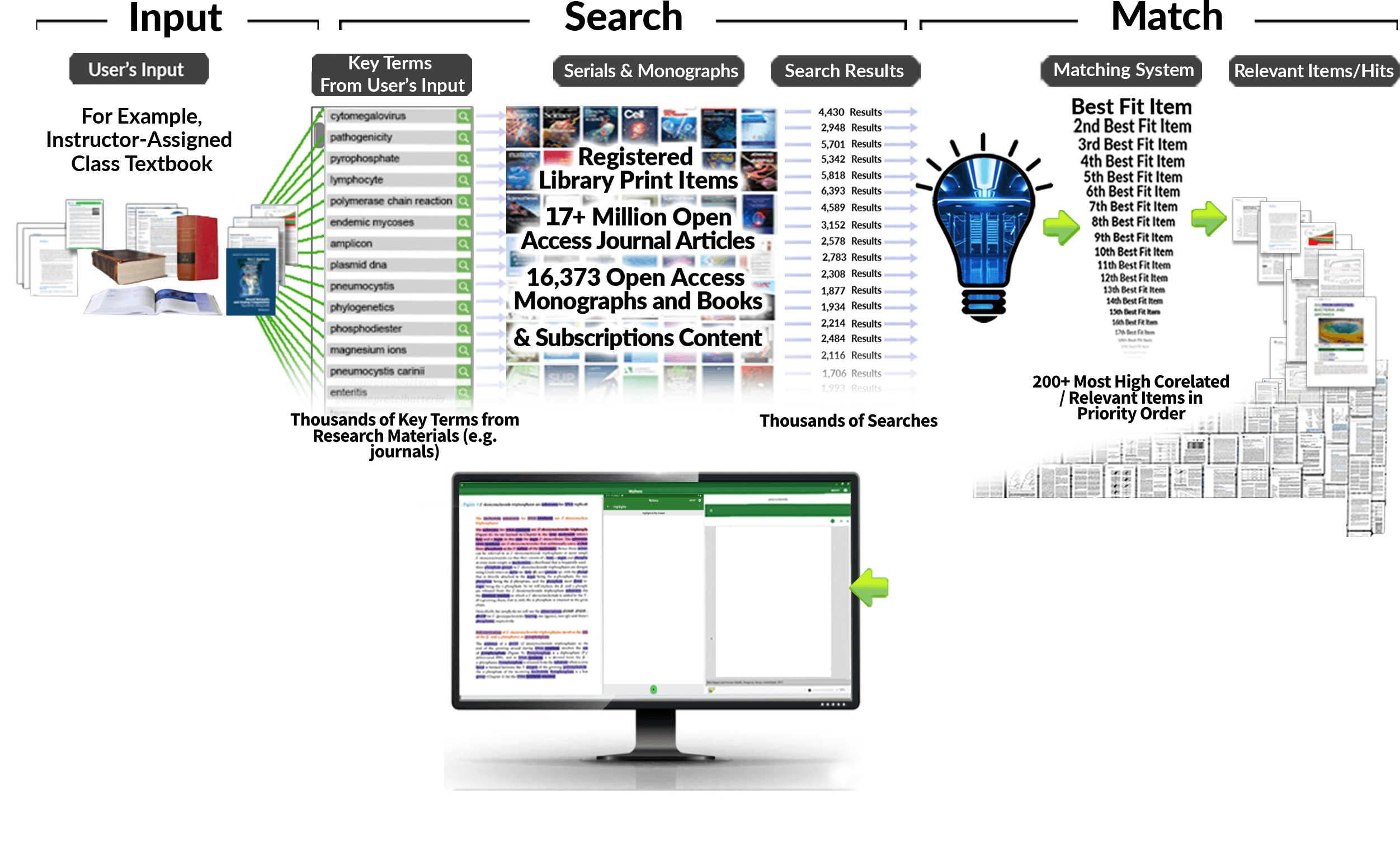
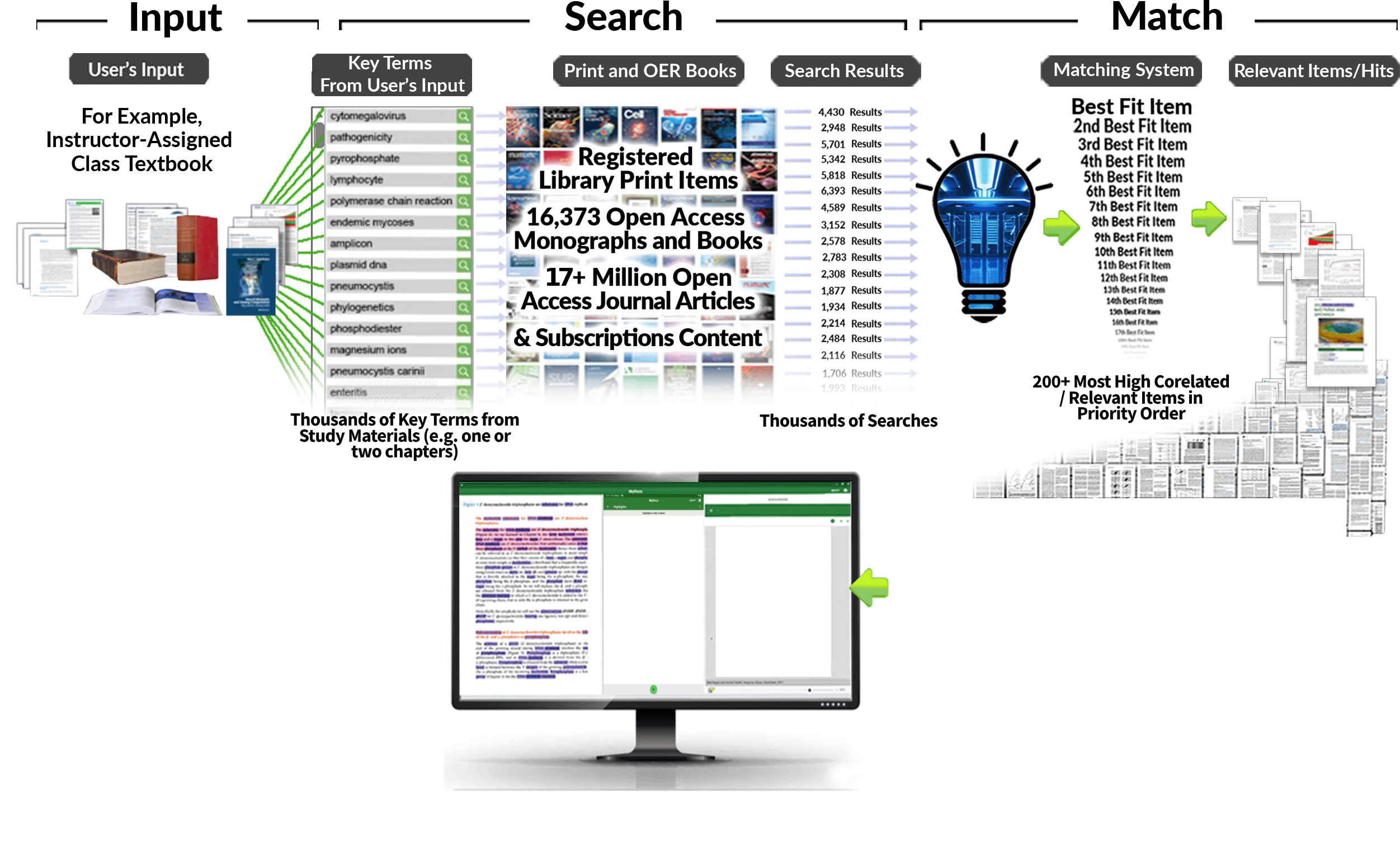
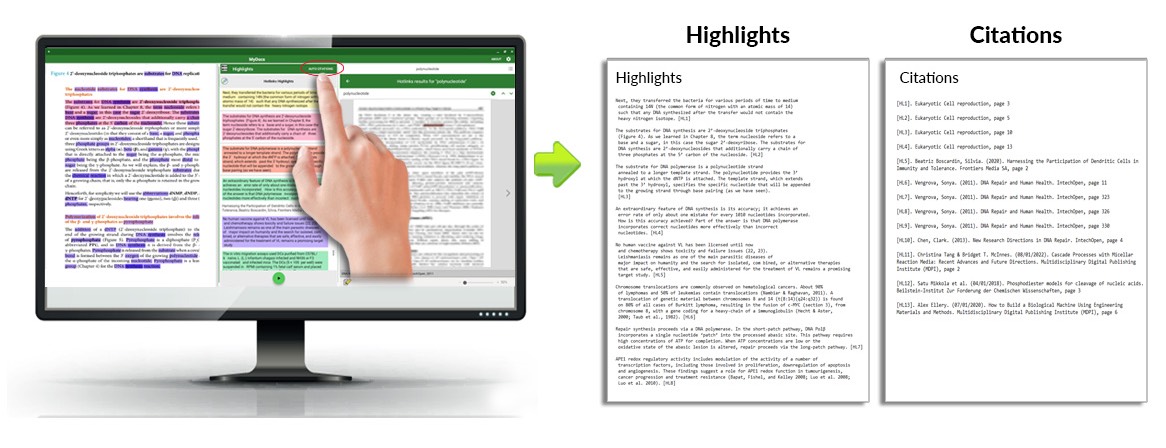
HotLinks extracts thousands of key terms from the input material, including textbook chapters, course materials,research papers, journal articles, monograph excerpts, etc., and performs a search on each of the thousands of key terms. The thousands of results for each of the thousands of search terms are then fed into the HotLinks matching system, which finds the best matches with the input material and sorts those matches by relevance to the source materials. The diagram below illustrates the process.

Preservation, Archives & Digital Fence

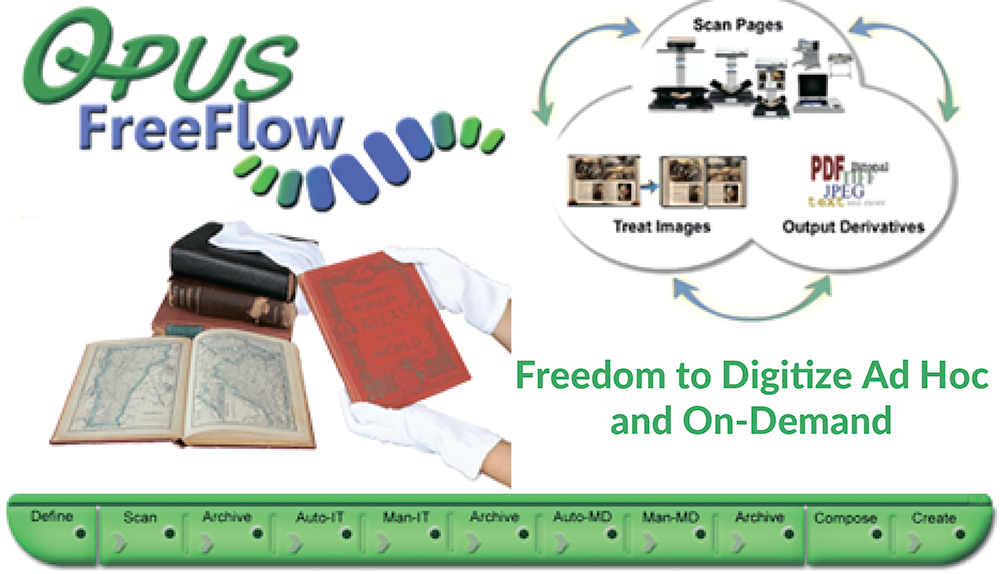
High Performance Digital Preservation / Archival Systems Opus Workflow & Opus
FreeFlow
for controlled project management including digitization, image treatment and metadata capture
The Opus digitization process was designed specifically for academic
libraries, museums and archives.
Use opus workflow to build digital assets for preservation, archive, digital collections for the
Web,
and for viewing software. Its image treatment processes such as fan, gutter and book curvature
removal,
and content location and registration, are dramatically faster and easier to use than photo
editing
software.
Opus operates a wide array of preservation quality scanners and
allows for
the import of existing images as well. It then groups images into objects (i.e. books), which
are easily
managed and processed. Finally, it renders those objects into a variety of derivatives.
One product...
8 Exceptional Advancements
8 Exceptional Advancements
Opus has a range of options and prices. Opus WorkFlow is for larger
digitization projects. It supports
multiple stations and multiple simultaneous workers. Some Opus WorkFlow features are available
in Opus
FreeFlow as options. Ask your DLSG representative for more information.
Opus FreeFlow Lite is a solid and easy-to-use
entry-level
product, while Opus FreeFlow includes the most popular features, yet
remains
easy to use is. Use Opus FreeFlow for smaller projects and ad hoc scanning.
- Superior Image Treatment... Designed for Projects and Archival
- Fully Integrated Hierarchical Metadata Capture
- Next Generation Workflow with Automatic Archive
- Open RAID Digital Archiving & Migration Management Software using Automated Data Migration Facility
- Customizable output formats including Web with virtual 3D page tuning
- Enlightened Architecture
- Supported by experienced digital experts
- Creation of large amounts of derivatives unattended (e.g. overnight)
Digital Stacks Ecosystem
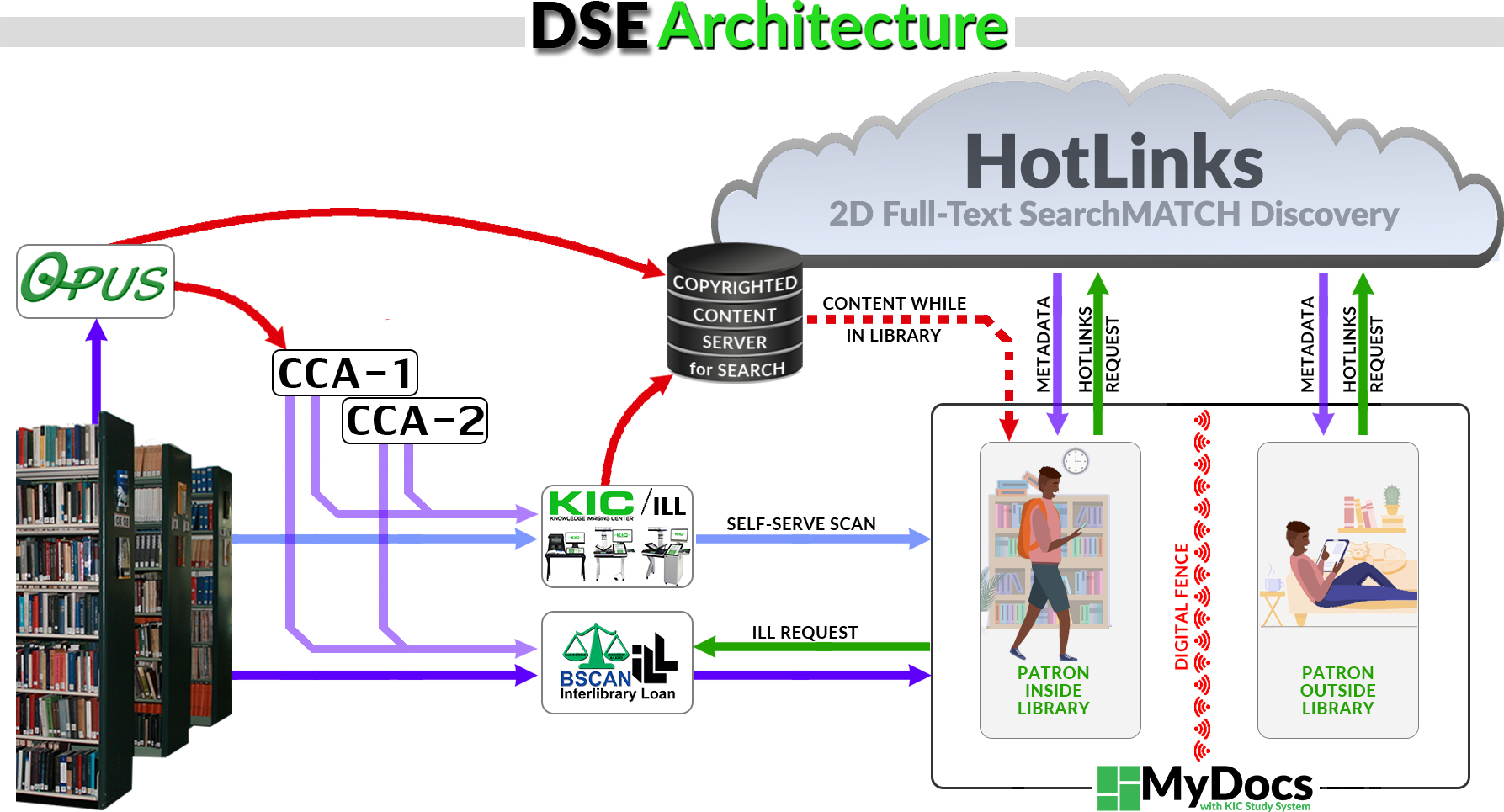
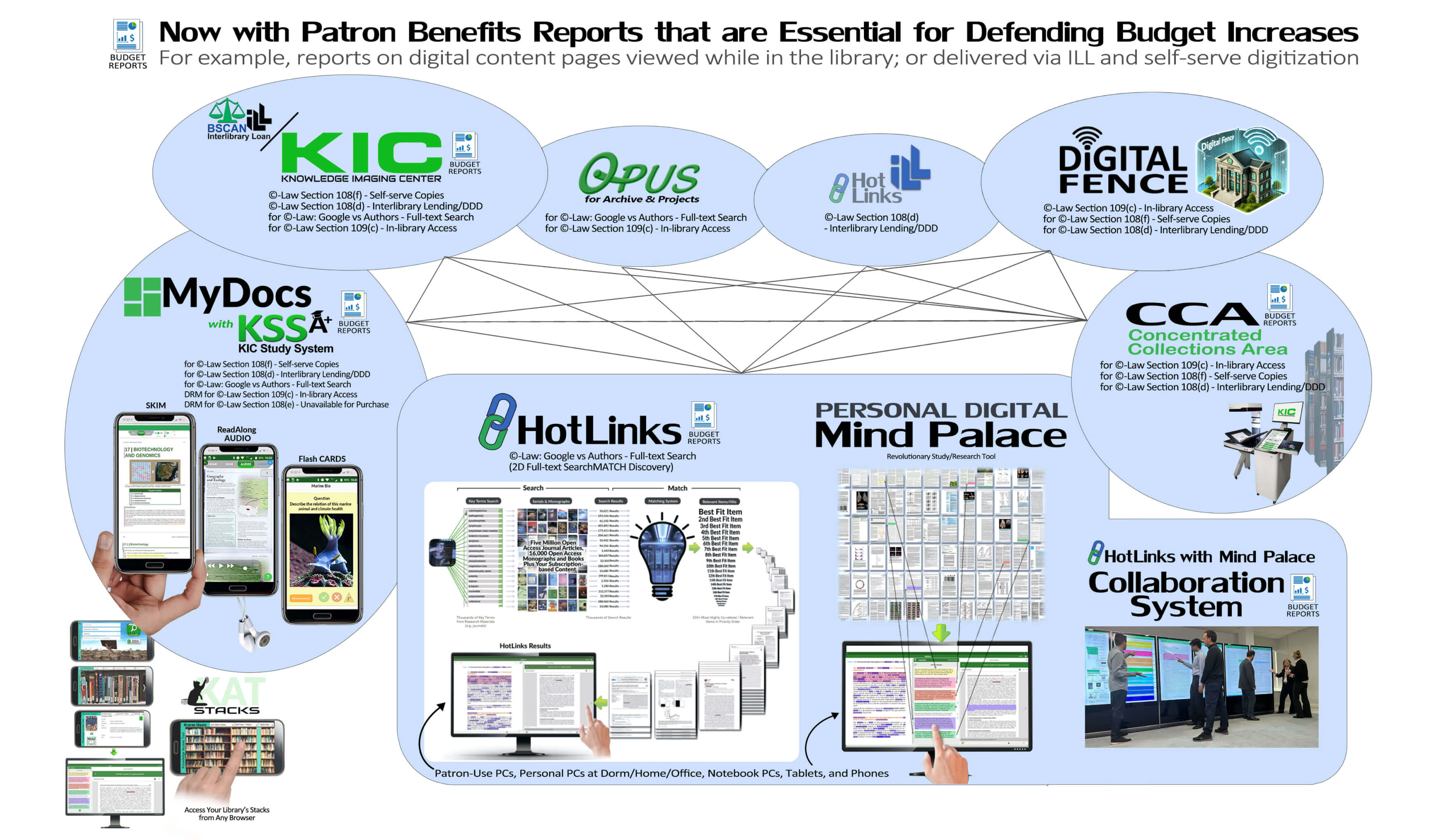
Below is a diagram of nine seamlessly integrated and wonderfully interoperable elements of the Digital Stacks Ecosystem, including the world's first relevancy-based discovery system for your print collections, and the world's first Digital Fence implementation of (c)-Law Section 109(c), giving patrons legal access to digital copies of copyrighted content using their own PCs, tablets or phones while the patrons are in the library. Together, these two Digital Stacks Ecosystem elements can greatly increase demand for self-serve and staff-performed digitization, making it possible, perhaps even easy, to deliver an extra 20% beyond what the digital subscriptions are providing, at less than half the cost.
✕
modal content
✕
"Library Superpowers"
University of Illinois Library wrote: Section 108 of the Copyright Act provides librarians with
what
some may call "superpowers" to lend and distribute works that are otherwise copyright protected.
See:
The
Copyright Act: § 108 - Copyright and Digitization of Library Materials - LibGuides at
University of
Illinois at Urbana- Champaign.
Section 108 lets libraries distribute many PDF copies of a single original (no one-to-one
owned-to-loaned ratio!), copies that the patron can keep forever (no checkout time limits), this
is
strong evidence of the solid support copyright law provides to libraries, especially considering
the
fact that, unlike CDL, PDFs have no software restrictions against secondary distribution, which,
via
email, can be instant and extensive